Emergency Dentist Plano, TX for Holiday and Weekend Dental Emergencies
@cristianugxg663
October 26, 2026 · 16 min read

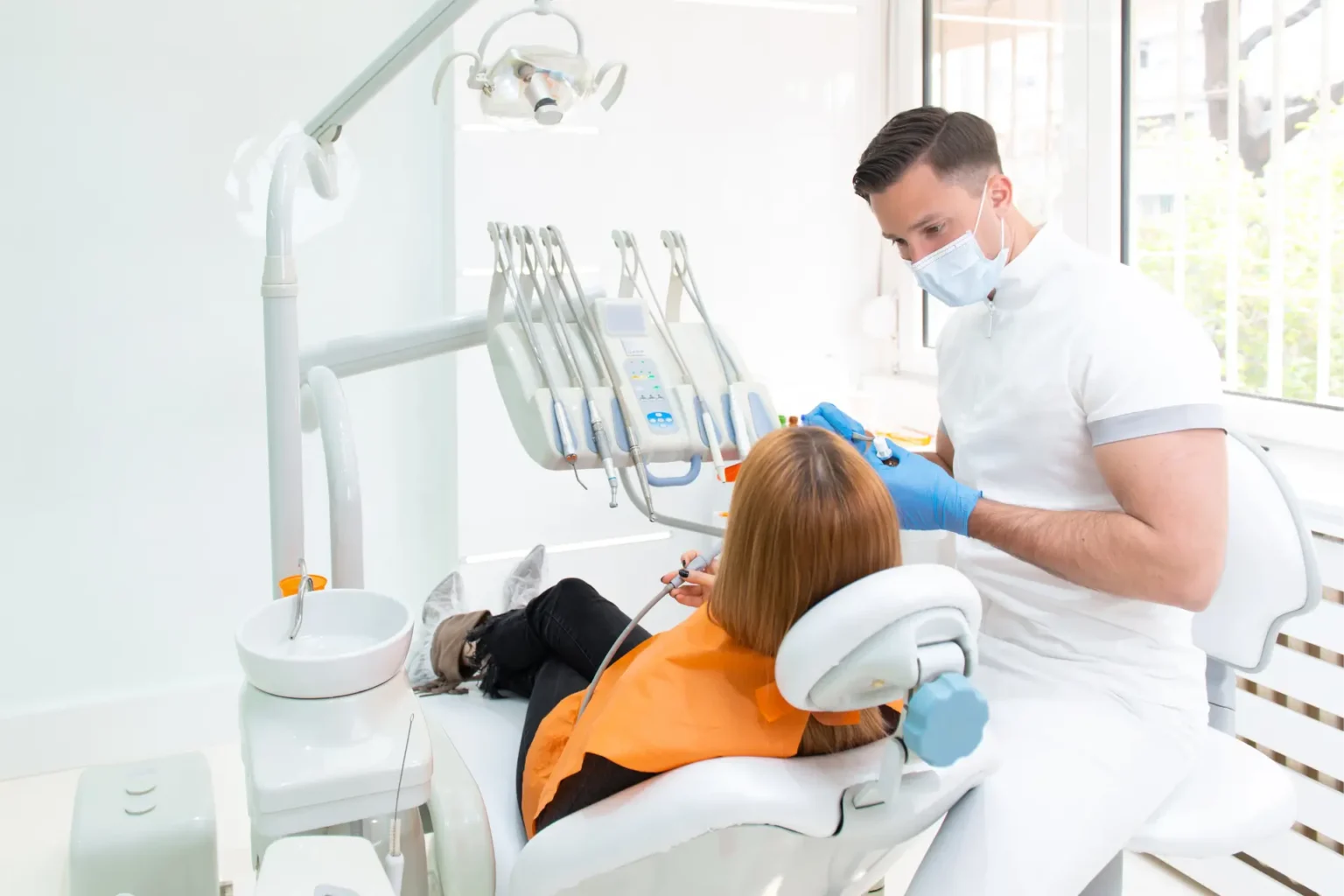
A dental emergency Emergency dentist Plano, TX rarely happens at a convenient time. It shows up during Thanksgiving dinner, late on a Saturday night, or the morning of a flight out of DFW. In Plano, those moments are especially stressful because regular offices may be closed, traffic patterns can complicate a quick drive, and urgent care centers often cannot do much beyond prescribing medication or recommending that you see a dentist.
When people search for an emergency dentist Plano, TX residents can rely on, they are usually not shopping casually. They are in pain, worried about infection, bleeding, or a broken front tooth, and they need clear direction. In my experience, the biggest relief for patients is not just getting treatment. It is understanding what counts as a true dental emergency, what can wait a few hours, and what they should do in the meantime to prevent the problem from getting worse.
Holiday and weekend dental emergencies tend to fall into a few familiar patterns. Someone bites down on a hard pecan shell and cracks a molar. A child takes an elbow during a family basketball game and chips a front tooth. A long ignored toothache turns into swelling on Christmas Eve. Those situations feel chaotic in the moment, but the next steps are often straightforward if you know what to look for.
What actually counts as a dental emergency
Not every dental problem needs same-day treatment, but many deserve prompt attention. Severe pain, swelling, trauma, uncontrolled bleeding, and a knocked-out or displaced tooth are the clearest examples. Infection is another major concern, especially if swelling spreads into the face or jaw, or if a person has fever, a bad taste in the mouth, or difficulty swallowing.
A lost filling or a mild toothache may not sound dramatic, but even those issues can become urgent over a long holiday weekend. Exposed tooth structure is sensitive and vulnerable. Small cracks can deepen. Food packs into open areas and irritates the nerve. Patients often try to wait it out, only to find that a manageable problem on Friday becomes an intense one by Sunday.
One point that gets overlooked is function. A broken denture before a holiday gathering may not be life-threatening, but if it prevents eating or speaking comfortably, it still matters. Likewise, a crown that falls off from a back tooth may feel tolerable at first, but if the tooth underneath has already been weakened by a large old filling, delaying care can raise the odds of needing a root canal or extraction later.
Why holidays and weekends make dental problems feel worse
Pain has a way of taking over the whole day. During the week, there is at least a sense that offices are open and routine systems are in place. On a holiday, people often assume they have no options, so the anxiety builds fast. Parents worry about whether an injury will affect a permanent tooth. Adults worry about costs, travel plans, work on Monday, or whether facial swelling will become dangerous overnight.
There is also a practical problem. Pharmacies may have limited hours. Family medicine clinics do not typically stock dental materials or perform dental procedures. Emergency rooms are essential for true medical emergencies, but they usually cannot repair a fractured tooth, recement a crown, drain a dental abscess in a definitive way, or save a knocked-out tooth with proper repositioning and splinting. They can be the right stop for serious swelling, breathing problems, facial trauma, or uncontrolled bleeding, but not for most isolated dental issues.
Plano families often find themselves balancing urgency with logistics. If guests are in town, if children are out of school, or if you are midway through a holiday meal, it is tempting to postpone care. That instinct makes sense emotionally, but teeth generally do not reward delay.
The emergencies that should never wait
Some situations deserve immediate attention because the window to save the tooth or control the complication is short. A knocked-out permanent tooth is the classic example. If that tooth can be kept moist and reimplanted quickly, the odds of saving it are much better. The first 30 minutes to an hour can matter enormously.
Rapid facial swelling is another red flag, especially if it affects the cheek, jawline, gums, or area under the eye. Dental infections can spread. If swelling is accompanied by trouble breathing, trouble swallowing, fever, or severe malaise, that is no longer a watch-and-wait situation.
A fracture that exposes the nerve often causes sharp pain with air, temperature, or pressure. Bleeding from the gums after trauma may stop with pressure, but bleeding that continues heavily needs assessment. Teeth that have been pushed out of position, loosened significantly, or intruded into the gums should also be seen quickly.
Here is a short guide to problems that typically warrant urgent weekend or holiday dental care:
- Knocked-out permanent teeth, displaced teeth, or major dental trauma
- Severe toothache with swelling, fever, or signs of infection
- Cracked or broken teeth causing intense pain or exposing the inner tooth
- Bleeding that does not stop with firm pressure
- Loss of a crown, bridge, or filling when it causes pain or leaves a fragile tooth exposed
That list is not exhaustive, but it covers the situations that most often turn into time-sensitive calls.
What to do before you get to the office
The first few minutes after a dental injury or sudden flare-up can influence the outcome. The goal is to control pain, protect the area, and avoid making the damage worse. People often do too much. They poke at the tooth, try household adhesives, or place aspirin directly on the gums, which can cause a chemical burn. Simple, careful steps are better.
If a tooth is knocked out, handle it only by the crown, not the root. If it is visibly dirty, rinse it gently with milk or saline if available. Do not scrub it. If the person is alert and cooperative, the tooth can sometimes be placed back into the socket right away, then held in place while heading to the dentist. If that is not possible, store it in milk or in a tooth preservation solution if one is on hand. Plain water is not ideal for long periods.
For swelling, use a cold compress on the outside of the face in short intervals. For bleeding, apply firm pressure with clean gauze. For a lost crown, keep the crown if you can find it and bring it with you. For a sharp broken tooth, dental wax from a pharmacy can prevent the edge from cutting the cheek or tongue.
A practical first-aid approach looks like this:
- Rinse gently with warm water to clear blood or debris
- Use clean gauze for pressure if there is bleeding
- Apply a cold compress outside the mouth for swelling or trauma
- Save any broken tooth pieces, crowns, or knocked-out teeth in milk or saline
- Call an emergency dentist as soon as possible for case-specific instructions
That last step matters more than people realize. Good offices triage by phone. They can tell you whether you should come in immediately, whether an ER is more appropriate, and how to manage the next hour safely.
Toothaches that suddenly turn severe
A throbbing toothache over a holiday weekend can come from several sources. Decay may have reached the nerve. An old filling may have cracked underneath. Gum infection or food impaction can mimic a tooth problem. Teeth that have had root canals in the past can flare again if a crack develops or if reinfection occurs around the roots.
The character of the pain provides clues. Sharp pain when biting may suggest a crack or inflamed ligament. Lingering pain to heat can point toward an irritated or infected pulp. Constant pressure and swelling around a tooth often signal infection at or near the root. Patients sometimes describe a sensation that the tooth feels taller than the others. That can happen when inflammation around the root causes even light contact to feel intense.
Weekend self-management should stay conservative. Over-the-counter pain relievers may help if the person can take them safely, but they are not a substitute for care. Clove oil, alcohol rinses, and social media remedies tend to disappoint. Warm saltwater rinses can soothe irritated gums, and keeping the mouth clean is useful, but persistent pain usually means the tooth needs definitive treatment, not just symptom control.
Broken teeth after holiday meals and weekend sports
Plano dentists see a predictable spike in cracked teeth after big meals, sports, and late-night habits. Hard candies, ice, unpopped popcorn kernels, and nut shells are common culprits. So are accidental blows during pickup games, garage cleanouts, bike rides, and recreational sports.
Not all fractures are equal. A small chip on the edge of a front tooth may be mostly cosmetic and repaired with bonding. A fractured cusp on a molar can be surprisingly painful, especially if the break exposes dentin or extends below the gumline. Vertical cracks are more complicated. Sometimes the tooth can be restored with a crown, and sometimes the crack extends into the root, limiting options.
One patient case that sticks with many dentists is the person who says, “It only broke a little,” while holding a large piece of a molar that split off during dinner. The reason it felt small is that the tooth had already been undermined from within, often by a large old filling or hidden decay. When that support gives way, the remaining shell can fracture with one bite. These are the cases where prompt treatment matters, because the longer the tooth remains open and flexes under chewing, the more damage can occur.
Swelling, abscesses, and when the ER is the right call
Dental infections can range from localized and manageable to medically serious. A gum boil near a tooth, a puffy area around the jaw, or a bad taste that drains into the mouth may all indicate infection. Sometimes the pain decreases when pressure drains, and people assume the problem is improving. Often, it is not. The source remains, and the infection can flare again.
The emergency room becomes the right place if there is trouble breathing, trouble swallowing, spreading facial swelling, fever with worsening symptoms, dehydration, trauma involving the face or jaw, or concern that the infection is affecting more than the tooth. That is especially true for very young children, older adults with medical complexity, or anyone who is immunocompromised.
For many isolated dental abscesses, though, the key treatment still belongs in the dental chair. The Emergency dentist Plano, TX source may need drainage, root canal therapy, extraction, or treatment of the surrounding gum tissues. Antibiotics alone rarely solve the underlying problem. They may reduce symptoms temporarily, but if the tooth remains infected internally, the pain often returns.
Lost crowns, fillings, and temporary fixes that are actually reasonable
Patients often feel embarrassed calling about a lost crown, but these situations deserve attention, particularly if there is sensitivity, exposed tooth structure, or the crown came off a tooth that already had extensive work. A crown that detaches may come away cleanly because the cement failed, or it may signal decay under the margin. You cannot tell just by looking.
Temporary dental cement from a pharmacy can sometimes help for a short period if the crown fits well and there is no pain or swelling. Even then, it should be seen as a stopgap, not a repair. Household glues are never appropriate in the mouth. They make cleanup harder and can damage the tooth and surrounding tissues.
Lost fillings can leave the tooth rough, sharp, or painfully sensitive to cold air. Sugarless gum is sometimes used to cover the area for a very short time if no dental material is available, but again, that is a bridge to treatment, not a home solution. A broken tooth with a missing filling may need a new filling, an onlay, a crown, or endodontic treatment depending on how much structure remains.
Children’s dental emergencies need a different kind of judgment
Parents have a hard job in dental emergencies because children may cry hard, give inconsistent information, or calm down quickly and seem completely fine. A front tooth that looks “just chipped” after a fall can involve the nerve. A tooth that appears only slightly displaced may affect the bite or the developing permanent tooth underneath if it is a baby tooth.
The first question is whether the injured tooth is primary or permanent. That distinction changes everything. A knocked-out baby tooth is generally not replanted because of the risk to the permanent tooth developing below. A knocked-out permanent tooth should be treated as urgent, with efforts focused on keeping the tooth moist and getting the child to a dentist promptly.
Soft tissue injuries also deserve attention. Lips, cheeks, and tongues can bleed dramatically because those tissues are very vascular. Gentle pressure often helps, but lacerations may still need professional evaluation. If a child hit the head, lost consciousness, vomited, or seems drowsy or disoriented, the medical side of the injury takes priority over the tooth.
What to expect from an emergency dental visit in Plano
Emergency appointments are designed to answer three immediate questions. What is causing the problem, how do we stop the pain or stabilize the injury, and what treatment is needed next. Sometimes all of that can be accomplished in one visit. Sometimes the goal is urgent relief now and definitive restoration later.
An emergency exam commonly includes focused X-rays, testing the involved teeth, checking mobility and bite, and assessing surrounding gums and bone. Treatment might involve smoothing a sharp edge, placing a sedative filling, recementing a crown, draining an abscess, prescribing appropriate medication, performing a root canal, extracting a tooth, or repositioning and splinting a traumatized tooth.
Patients often ask whether emergency visits cost more. Fees vary by office and by what is required. A straightforward limited exam and X-ray is very different from same-day endodontic treatment or complex trauma care. The most practical approach is to call, describe the symptoms clearly, and ask what the office can tell you about fees, insurance participation, and likely next steps. Reputable teams are used to these conversations and know that people need direct answers.
How to choose the right emergency dentist on a holiday weekend
The best emergency dentist is not simply the one who answers the phone first. Availability matters, but so do experience, diagnostic clarity, and the ability to actually treat the problem rather than just delay it. Some offices advertise emergency care yet offer only limited triage after hours. Others can bring patients in quickly and handle a broad range of urgent needs on site.
When evaluating options in Plano, pay attention to whether the office explains what they can manage, whether they provide real guidance before arrival, and whether they have systems for follow-up. Dentistry done in a rush still needs good records, clear communication, and a treatment plan beyond the immediate fix.
It also helps to know your own priorities. If you have a broken front tooth before a family event or work presentation, cosmetic judgment matters. If you have severe molar pain and swelling, the priority shifts to controlling infection and stabilizing the tooth. A thoughtful emergency dentist will recognize those differences rather than treating every urgent visit like the same script.
Why fast care can save money, not just discomfort
People often delay emergency dental care because they are worried about cost. That concern is real, especially around holidays, but delay can make treatment more expensive. A tooth that needs a small filling on Saturday may need a crown in two weeks if it cracks further. An inflamed nerve may be reversible early on but require root canal treatment after prolonged irritation. A restorable tooth may become non-restorable if the fracture deepens below the bone.
There is also the hidden cost of poor sleep, missed work, disrupted travel, and repeated stopgap spending on temporary products that do not solve the issue. I have seen patients spend days rotating pain relief strategies, only to end up needing more extensive treatment because the original condition worsened. Prompt evaluation does not always mean major treatment that same day, but it gives you a clear map and often preserves options.
Preventing the next weekend emergency
Some emergencies are true accidents, and no one can prevent all of them. Others leave clues beforehand. A tooth that catches floss, a crown that feels a little loose, sensitivity when biting on one side, or recurring gum swelling near an old root canal treated tooth are all signs worth checking before they become urgent.
Mouthguards deserve special mention. For children, teens, and adults playing contact or high-impact sports, a properly fitted mouthguard prevents a surprising number of chipped, displaced, and knocked-out teeth. Nightguards also matter for patients who clench or grind, particularly those with cracked teeth, large restorations, or repeated crown fractures. These are not glamorous appliances, but they are far cheaper and less painful than trauma care on a Sunday afternoon.
Routine care does more than keep teeth clean. It catches vulnerable restorations, hidden decay under old fillings, and gum infections before they create pain on a weekend when options feel limited. That is often the real difference between a manageable dental life and a chaotic one.
When minutes matter, clarity matters more
A holiday or weekend dental emergency can make even calm people feel rattled. The noise of family gatherings, the pressure of travel plans, and the fear of the unknown all amplify the problem. What helps most is not guesswork. It is knowing whether the situation is urgent, taking a few sensible first-aid steps, and reaching a dental office that can give specific, timely direction.
If you are looking for an emergency dentist Plano, TX patients can turn to during holidays or weekends, focus on responsiveness, practical experience, and the ability to move from triage to treatment. Tooth pain has a way of narrowing your world fast. Good emergency dental care opens it back up by controlling pain, protecting the tooth when possible, and keeping a short-term crisis from becoming a long-term problem.
Vitality Dental
1220 Coit Rd # 106, Plano, TX 75075, United States
+1 972-645-4100
FAQ About Emergency dentist Plano, TX
Will the ER do anything for dental pain?
An emergency department can assess urgent symptoms and provide medical stabilization. Definitive treatment of the tooth usually requires a dentist. Seek emergency medical care for breathing or swallowing difficulty, uncontrolled bleeding, or serious facial injury.
What to do if I have a dental emergency in the middle of the night?
Contact a dentist or after-hours dental service promptly for guidance. If a permanent tooth is knocked out, keep it moist in milk while seeking immediate care. If symptoms suggest a medical emergency, go to an emergency department.
What qualifies as a dental emergency?
A knocked-out permanent tooth, severe or persistent tooth pain, a significant dental injury, or swelling may require urgent dental assessment. Call a dentist to describe the symptoms and determine timing. Uncontrolled bleeding or difficulty breathing or swallowing requires emergency medical care.